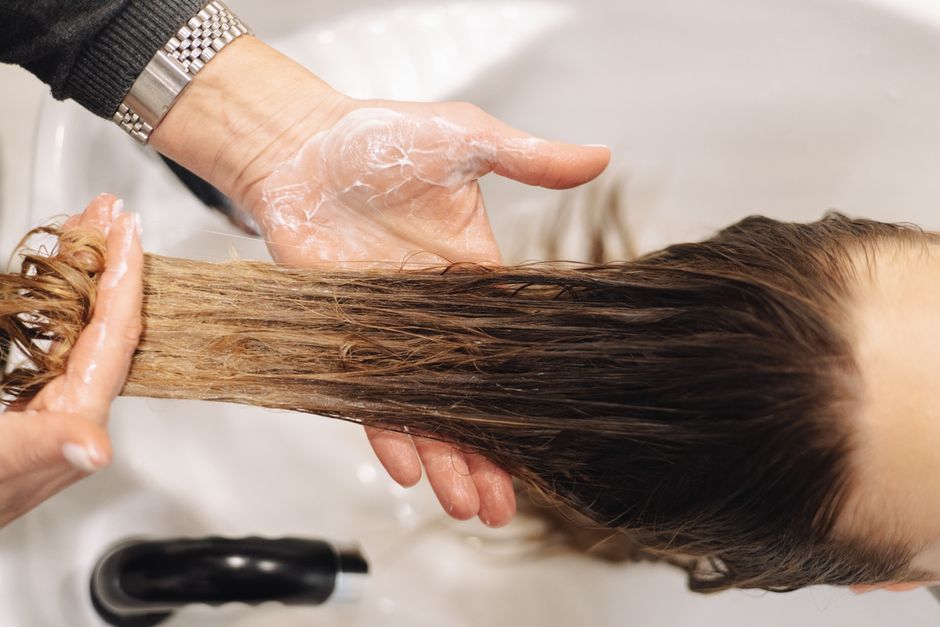
First Protein Treatment? 7 Clear Signs Your Hair Needs One
By Natural Beauty Lounge | November 13, 2026
Quick details: Protein Treatment, 90 minutes, $125. Easy stop on the Baltimore Avenue corridor (US-1) in North Laurel near Laurel Lakes and Konterra.
I hear it all the time: you want stronger hair, but you’re nervous about your first protein treatment. That’s normal. One of the most common things people mention after visiting me is how patient I am, how closely I listen, and that I explain what I’m doing as I go. A protein treatment helps rebuild weakened hair bonds when the hair’s structural protein is depleted, and it’s a straightforward appointment when it’s done with balance and care.
In this guide, I’ll show you the 7 signs your hair is asking for protein, how to prep, what happens during your 90-minute visit, microloc notes (and yes, locs can benefit too), plus the aftercare that keeps your hair strong without going stiff. And if you’re in Laurel, North Laurel, South Laurel, Savage, Jessup, or Elkridge, this is an easy restorative stop right off US-1.
7 signs you need a protein treatment for hair (and 2 signs you should wait)
Protein loss doesn’t always look dramatic. It’s usually a slow slide: the hair stops behaving like it used to. Here are the signs I watch for during a consult, plus what you can check at home.
- Your curls feel limp or won’t hold shape. Twist-outs fall flat fast, or your wash-and-go looks tired no matter what you do.
- You’re getting repeat breakage. Short pieces in the sink, split ends that come back quickly, or fragile edges are big clues.
- Your hair stretches “too much” when wet. A little stretch is normal. But if it stretches and keeps stretching before it breaks, the hair often needs structure.
- Your hair feels mushy or overly soft. This surprises people. Too-soft hair can still be weak hair.
- Heat styling stopped working the way it used to. If your silkpress doesn’t last or the hair puffs up fast, you might need strength first, then moisture balance.
- Color, relaxers, or frequent heat have you shedding more than usual. Chemical services and high heat can pull protein out over time.
- Your locs, Sisterlocs, or microlocs show weakness at the base. If you’re seeing thinning or snapping at stress points, protein support can help when applied gently and followed with moisture care.
Two signs you should wait: If your hair already feels stiff and dry, or it snaps with very little stretch, you may need moisture first (or a gentler approach). I’ll talk you through that when you’re in my chair.
Before you come in: 6 prep steps that make your protein treatment smoother
Protein works best on hair that’s not fighting through buildup. I keep prep simple so you don’t feel like you need a whole “day before” routine.
- Come with clean, detangled hair if you can. If you’re not sure, don’t stress. Just avoid heavy oils and thick butters right before your appointment.
- Think back 6 to 8 weeks. Tell me about recent heat, color, relaxers, protective styles, or breakage. This helps me choose the right strength level.
- Bring 2 to 3 photos of your goal. It helps me understand if you’re trying to strengthen for a silkpress, definition, or healthier loc maintenance.
- If you have microlocs, Sisterlocs, or locs, let me know what you’ve noticed: weak spots, shedding, slippage, or dryness at the ends.
- Plan for 90 minutes. If you’re squeezing this in between school pickups or a commute through Laurel, give yourself a little breathing room.
- Tell me what you don’t want. Some people are sensitive to tension or past painful services. I take that seriously and keep things gentle.
If you’ve been searching for “locs near me” and you’re trying to find a calm, consistent place off the Baltimore Avenue corridor (US-1), you’re in the right pocket of Laurel. I’m close to Laurel Lakes and Konterra, so it’s an easy stop without turning it into a whole day.
Inside the 90-minute Protein Treatment at Natural Beauty Lounge: step-by-step, no surprises
If you’ve avoided salons because past “treatments” hurt, you’re not alone. I’ve had first-time visitors tell me they stopped going to salons because of the pain, then were shocked at how gentle and painless this felt. That’s the standard I stick to.
1) Quick check-in and hair history
When you sit down, I ask what you’ve been seeing: shedding, breakage, limpness, heat damage, or a curl pattern that won’t bounce back. I’ll also ask about color and heat, because protein decisions should match what your hair has been through.
2) Cleanse first, because buildup blocks results
I start with a thorough shampoo so the protein can actually do its job. People regularly comment that their scalp feels really clean after a good shampoo. If you wear locs, I’m careful and precise so your foundation stays neat and you don’t leave with any unnecessary stress on the roots.
3) Protein application and gentle processing
Next comes the strengthening protein formula. You might feel the hair start to feel a little firmer as it sets. That’s normal. What’s not normal is discomfort. I explain step-by-step what I’m doing, and if you need a break, you tell me. I’d rather take an extra moment than rush your comfort.
4) Balance it with moisture, so you leave strong, not stiff
Protein without moisture can leave hair feeling hard. That’s why I balance the service so the hair regains structure and resistance to breakage, but still feels touchable. In Laurel’s Mid-Atlantic seasons, this matters. Humid summers and the drier stretch from November through March can swing your hair in opposite directions.
5) Finish and plan your next step
Before you walk out, we talk maintenance. If your goal is less shedding and better style hold, I’ll tell you what to do at home and when it makes sense to come back. People don’t come to me to “compromise on the health” of their hair, and I don’t let that slide.
The process was so gentle and painless, and I couldn’t believe the difference.
one of our first-time visitors
After your protein treatment: how to keep results without overdoing it
Right after your appointment, most people notice the hair feels more resistant. It tends to hold style better and sheds less when you handle it. That’s what I’m aiming for, especially if you’ve been dealing with fragile strands or weak points in microlocs.
My rule: protein is the strength step, moisture is the flexibility step. You want both, especially in Laurel when the air swings between summer humidity and the dry season Nov through Mar.
General aftercare I recommend
- Stay consistent with hydration. A protein service is not a replacement for conditioning.
- Go easy on heat for a bit. If you’re planning a silkpress, I’ll help you time it so you’re not stacking stress on stressed hair.
- Handle wet hair gently. Detangle with patience. If you’re in locs, avoid aggressive pulling at the base.
- Watch for “too much protein” signs: hair feeling stiff, rough, or snapping quickly. If that happens, pause protein and focus on moisture, then let me know.
How often should you repeat it? It depends on what your hair has been through and what you do between visits. If you’re getting frequent heat or you’re correcting damage, you might need a more intentional schedule. If your hair is generally healthy, protein is usually more occasional support than a monthly habit.
A Laurel insider tip: pair protein with the right next service, not another “strong” step
Here’s something I wish more people knew before they got their first treatment protein service. A lot of damage happens after the appointment, when you stack strength on top of strength. Protein today plus another intense service tomorrow is when hair can start feeling hard and acting up.
If your goal is strong, healthy natural hair, I’ll usually map out the next step so you’re balancing. That might mean following protein with hydration care, or spacing out heat. And if you’re in microlocs, I’m thinking about your bases and your ends, not just how it looks when you leave.
Local scheduling note: In Laurel, I see hair get drier during Nov through Mar. Planning your strengthening support before the driest stretch often helps you avoid that mid-winter breakage spike.
If you want to compare treatment options before you choose, I keep it simple on my site. You can start with our Hair Treatment services in North Laurel, then check Hair Treatment options in North Laurel if you’re deciding between hydration, keratin, or protein.
If you’re ready for stronger hair, I’ll keep it calm, gentle, and honest
A first protein treatment shouldn’t feel intimidating. I keep the environment peaceful, I start on time as much as possible, and I communicate step-by-step so you’re never wondering what’s happening. That’s a big reason people call this their forever spot and keep coming back for ongoing care.
“This salon has officially become my forever go-to for caring for my natural hair.”
one of our regulars
Want help choosing? If you’re not sure protein is the right first move, tell me what you’re seeing (breakage, limp curls, heat damage, weak microloc spots), and I’ll point you toward what makes sense.
You’ll find me on the Baltimore Avenue corridor (US-1) in North Laurel near Laurel Lakes and Konterra, serving Laurel, North Laurel, South Laurel, Savage, Jessup, and Elkridge. Call +12405479958 or email nbllounge@outlook.com.
Address: 19 C St, Laurel, MD 20707
Protein treatment FAQs I get in the chair (real questions, straight answers)
How do I know if my hair needs a protein treatment?
Look for limp curls, hair that stretches too much when wet, frequent breakage, or hair that feels overly soft and weak. If you’ve had a lot of heat or chemical services, that’s another common reason. When you come in, I’ll also look at how the hair behaves during cleansing and handling so we’re not guessing.
Will a protein treatment make my hair hard or brittle?
It can if you overdo it or skip the moisture balance afterward. That’s why I focus on strength plus flexibility, not just “more protein.” If your hair already feels stiff or snaps easily, I may recommend moisture support first and then reassess.
Can I get a protein treatment on microlocs or locs?
Yes. Protein can support weak areas, including at the base, when it’s applied carefully and followed with moisture care. I’m mindful about gentle handling so you don’t leave feeling snatched, especially if you’re maintaining microlocs or Sisterlocs.
How should I prepare for my first protein treatment at the salon?
I generally recommend coming with hair that’s clean and detangled, and skipping heavy oils or thick product right before your visit. Bring a couple photos of your goal, and be ready to tell me about recent heat, color, relaxers, or protective styling. That hair history matters.
How long do results from a protein treatment usually last and how often should I repeat it?
Results can last several weeks, sometimes longer, depending on your routine, heat use, and how damaged the hair was to begin with. I don’t recommend treating protein like an every-week fix. I’ll help you find the right spacing so you keep strength without stiffness.
What’s the best protein treatment for natural hair?
The “best” one is the one that matches your hair’s current condition and is balanced with moisture. Some natural hair needs a lighter strengthening step, while other hair needs something more corrective. When you come in, I’ll base the choice on your breakage pattern, elasticity, and what you’re doing between visits.
What does “treatment protein” mean in hair care?
It’s just a common way people describe a strengthening service that adds protein support back into the hair. Protein helps give hair structure so it can better resist breakage. The key is using it correctly, then following it with conditioning so the hair stays flexible.
What is a 2 step protein treatment?
People usually mean a strengthening step followed by a balancing step, often moisture or conditioning. The idea is simple: strength first, then flexibility so the hair doesn’t feel hard. In the salon, I focus on that same balance so you leave with hair that feels stronger and still manageable.